Ultimate Sofia Travel Guide: How to Plan Your Trip [2026]
Looking for a Sofia travel guide that’s actually written by someone who lives here? You’re in the right place. I’ve been calling this city home for years: walking its neighborhoods, riding its trams, sipping coffee in sunlit courtyards.
Sofia isn’t picture-perfect in the postcard sense, but that’s exactly what makes it real and exciting. One moment you’re standing on Roman ruins, the next you’re in a retro bar lined with communist memorabilia. It’s affordable, walkable, historic, and full of surprises. Still wondering if Sofia is even worth a stop? Here’s what no one tells you.
Some links in this post are affiliate links. If you book through them, I earn a small commission at no extra cost to you. I only recommend things I have used or genuinely believe in. Full details at my disclosure page.
⚡ TL;DR: Ultimate Sofia Travel Guide
- Why visit Sofia? Affordable, authentic, uncrowded, and full of layered history, from Roman ruins to street art.
- Best time to go: Spring (May–June) or fall (September–October) for perfect weather and fewer tourists.
- Getting here: Fly into Sofia Airport (SOF), then book a private transfer from Sofia Airport or take Metro Line 4 to the city center.
- Getting around: Walk, ride the tram, or use the metro. It’s cheap, safe, and easy.
- Where to stay: City Center (Serdika), Lozenets for charm, Studentski Grad for budget nightlife. Search hotels in Sofia by area and budget.
- Top 5 must-sees: Alexander Nevsky Cathedral, Roman ruins under Serdika station, Vitosha Boulevard, Russian Church, and National Palace of Culture (NDK).
- What to eat: Banitsa (savory pastry), Shopska salad, tarator (cold cucumber soup), grilled meats, and rakia (fruit brandy). Join a traditional Bulgarian food tour.
- Best day trips: Rila Monastery, Plovdiv, Boyana Church, and Boyana waterfall. Take a day trip from Sofia with everything arranged.
- Safety: Solo travel-friendly. Tap water is safe. Avoid the train station area late at night.
- Bonus tip: Most places accept cards, but carry some cash for markets and public toilets.
Quick Facts About Sofia
⚡ TL;DR: Quick Facts About Sofia, Bulgaria (2026)
- Currency: Euro
- Language: Bulgarian (Cyrillic script)
- Time Zone: Eastern European Time (EET, UTC+2)
- Emergency Number: 112 (works for police, ambulance, fire)
- Is Sofia safe? Yes, especially during the day.
- Tap water safe to drink? Absolutely. I drink it daily.
- Solo female travel: Totally doable. I see solo women here all the time, including in bars and cafés.
- Areas to avoid at night: The train station area (Centralna Gara) can feel sketchy after dark; not dangerous, just unpleasant.
Sofia is a straightforward and traveler-friendly city.
We use the Euro. Most places accept cards, but I recommend carrying a bit of cash, especially for kiosks, trams, or small local bakeries.
The language here is Bulgarian, written in Cyrillic, but in the city center, you’ll find English menus, English-speaking staff, and dual-script signs in most public areas.
Sofia’s time zone is Eastern European Time (UTC+2), and for any emergency, you can call 112. The system is multilingual and responsive.
As someone who lives here, I can say confidently: Sofia is safe. I walk around alone often, and so do plenty of visitors, including solo women. You’ll feel especially comfortable in the central neighborhoods like Serdika, Lozenets, or around NDK. That said, I’d avoid the Central Train Station area at night. It’s not dangerous, just not pleasant.
Lastly, the tap water is clean and totally safe. I drink it every day, straight from the sink.
🧭 Plan Your Sofia Adventure
Here are my go-to travel resources — tried, tested, and trusted. Using these links helps support the blog at no extra cost to you 🙌
🛏️ Find Accommodation. From boutique hotels to guesthouses, book your stay with flexible cancellation options. 👉 Click here to find the best places to stay in Sofia
🚆 Check Buses. Plan your journey in advance with up-to-date routes and schedules in English. 👉 Search and book buses online
🚗 Rent a Car. Explore Sofia and Bulgaria beyond the tourist trail. A rental car gives you full freedom to roam. 👉 Book your rental car here
🏞️ Book Tours & Day Trips. Discover Sofia with experienced guides and skip the planning stress. 👉 Browse top-rated tours and day trips
📱 Use a Local eSIM. No SIM card swapping, no roaming fees — just instant mobile data when you land. 👉 Buy your Bulgaria eSIM in minutes
🌍 Travel Insurance. Protect your trip with coverage that works in Sofia and beyond. 👉 Get a quick insurance quote here
How to Get to Sofia
⚡ TL;DR: Getting to Sofia
You can reach Sofia by plane, bus, train, or car. The easiest and fastest option is to fly into Sofia Airport (SOF), which is just 20 minutes from the city center. Overland routes connect the city to Serbia, North Macedonia, Greece, Romania, and Turkey.
If you’re flying into Bulgaria, you’ll most likely arrive at Sofia Airport (SOF). It’s modern, compact, and easy to navigate. There are two terminals:
- Terminal 2 is the main one, used by full-service airlines like Lufthansa, Turkish Airlines, and Bulgaria Air, and the low-cost carrier Ryanair.
- Terminal 1 handles most low-cost carriers like Wizz Air.
The two terminals are about 2.5 km apart, but they’re connected by a free airport shuttle bus that runs every 15 minutes. It’s clearly marked and easy to use. I’ve taken it myself when switching terminals.
If you prefer a smooth arrival, especially with luggage or late-night flights, I highly recommend you book a private transfer from Sofia Airport. It’s convenient, reliable, and not as pricey as you might expect.
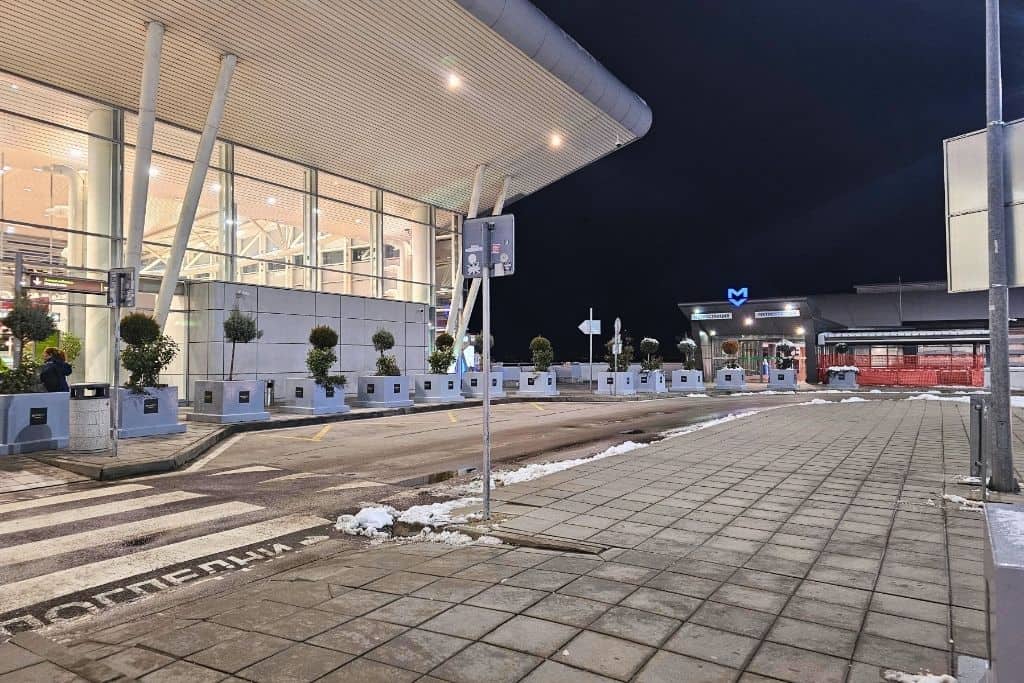
Public transport is also easy. Metro Line 4 (yellow) connects Terminal 2 directly to the city center in about 25 minutes. Just note: Terminal 1 has no metro stop, so you’ll need to take the free shuttle to Terminal 2 first. If you’re going the DIY route, read my detailed airport-to-city transport guide for all the options.
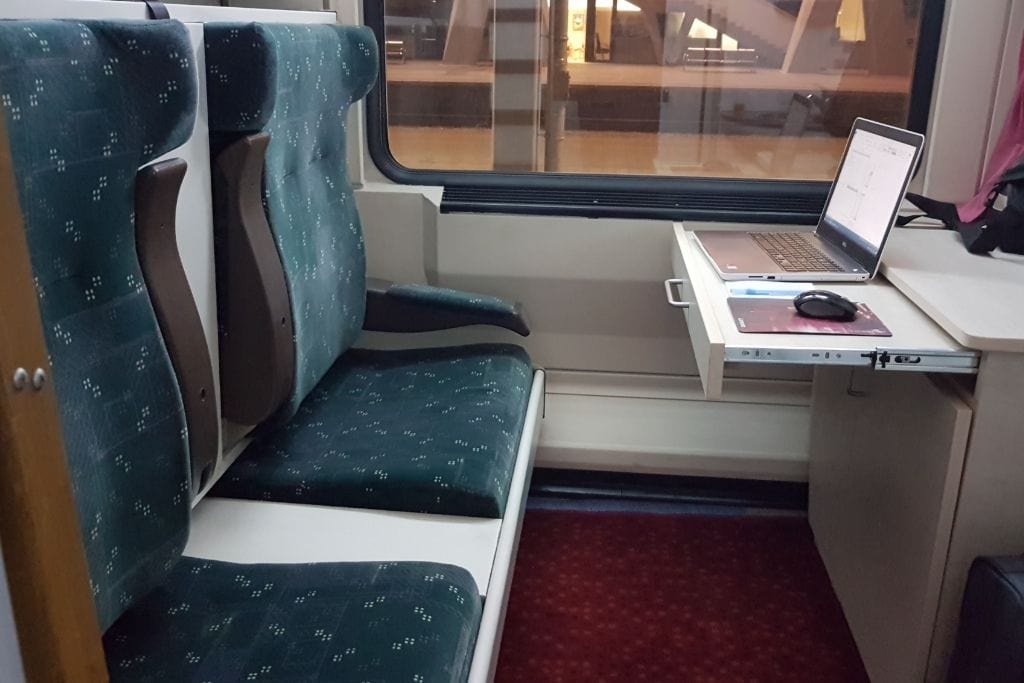
If you’re considering overland travel, the Sofia–Istanbul Express is a daily overnight train offering a comfortable and scenic journey between the two cities. The train offers various accommodations, including: 6-bed couchette, 4-bed couchette, Double sleeper, and Single sleeper.
Keep in mind that border controls occur during the night, requiring passengers to disembark with their luggage for passport and customs checks. Despite this, the journey is a unique experience, offering a glimpse into the landscapes of Bulgaria and Turkey.
Sofia is also well-connected by international buses from cities like Skopje, Belgrade, Thessaloniki, Bucharest, and Istanbul, arriving at the Central Bus Station, adjacent to the train station.
If you’re driving in from elsewhere in Bulgaria or the Balkans, you’ll enter via the A1 or A3 highways. Just make sure to buy a vignette (road tax sticker), available at gas stations or online.
How to Get Around Sofia
⚡ TL;DR: Public transport in Sofia is cheap, safe, and easy to use.
Use the metro for airport connections and quick city travel, trams for charm and convenience, and buses for less central areas. Most rides cost under €1. For directions, use the Moovit app. Stay connected with an affordable travel eSIM to make navigation easier.
Sofia is one of those cities where you can easily get around without ever needing a car. I walk almost everywhere, but when I do take public transport, it’s clean, affordable, and surprisingly well-connected. You’ve got three main options: metro, trams, and buses, and you’ll likely use all three at some point during your stay.
The metro is the fastest way to cross the city. It’s air-conditioned, bilingual (Bulgarian + English), and runs frequently. You can get from the airport (Terminal 2) to the city center in under 30 minutes on Line 4 (yellow). Lines 1 and 2 are great for exploring central Sofia. They stop near most major attractions like Serdika, NDK, and the Central Market Hall.

Trams are my personal favorite. They’re iconic, especially the older orange ones that rattle through narrow streets. While they may look outdated, they’re super useful for reaching some iconic spots in the city. Tickets are the same price as the metro: just €0.80. You can buy them from vending machines or directly onboard via a contactless card.
Buses cover routes that the metro and trams don’t. They are useful if you’re staying further out or heading to places like Boyana Church. They’re less intuitive for visitors, but manageable with a good map or app. I recommend Moovit, which works in English and gives real-time updates and stop info.
If you’re visiting from outside the EU or don’t want to rely on public Wi-Fi, stay connected with an affordable travel eSIM. It’s what I use when I travel abroad, and it makes a huge difference when checking routes or translating signs in Cyrillic.
Want to master the whole system like a local? My full guide on how to ride Sofia’s trams, buses, and metro like a local is based on my daily life here.
Where to Stay in Sofia
⚡ TL;DR: Best areas to stay in Sofia
Stay in the City Center (around Serdika) if you want to be near the main sights. Choose Lozenets for peace, parks, and charm. The NDK area is walkable and well-connected. Budget travelers often stay in Studentski Grad, but it’s farther out. Search hotels in Sofia by area and budget.
Sofia is compact, which means choosing where to stay isn’t overwhelming, but it still matters. If it’s your first time here, I always recommend staying in the City Center. Look for places between the Serdika metro station and Sofia University. Such a location puts you within walking distance of most of the city’s best sights, plus cafes, museums, and nightlife.
If you’re looking for something more local-feeling and laid-back, try Lozenets. It’s green, peaceful, and full of charming side streets, wine bars, and boutique hotels.

Prefer something central but modern? Stay near the NDK (National Palace of Culture). You’ll be close to shops, Vitosha Boulevard, and public transport, with hotels ranging from high-end to budget-friendly. It’s also great for solo travelers and digital nomads, since most hotels and cafés in the area have strong Wi-Fi and good coffee.
Studentski Grad (Student Town) is another option. It is cheap, buzzing with nightlife, and packed with hostels and fast food. I personally wouldn’t stay there, but it works if you’re on a tight budget or here for longer.
🛎️ Need help narrowing it down?
- Best Hotels in Sofia by Area
- Best Boutique Hotels in Sofia
- Top Hostels in Sofia for Digital Nomads and Backpackers
- Luxury Hotels in Sofia That Are Actually Worth It
Or just search hotels in Sofia by area and budget to compare locations, prices, and amenities all in one place.
Best Things to Do in Sofia
⚡ TL;DR: Top 5 things to do in Sofia
Visit Alexander Nevsky Cathedral, explore the Roman ruins under Serdika, stroll down Vitosha Boulevard, relax in Borisova Garden, and admire the street art and socialist architecture near NDK. Want to skip the planning? Book a guided tour to skip the guesswork.
Sofia may not scream “bucket list,” but once you’re here, it pulls you in fast. I’ve lived here for years, and I still find new corners to explore. Let’s start with the musts.
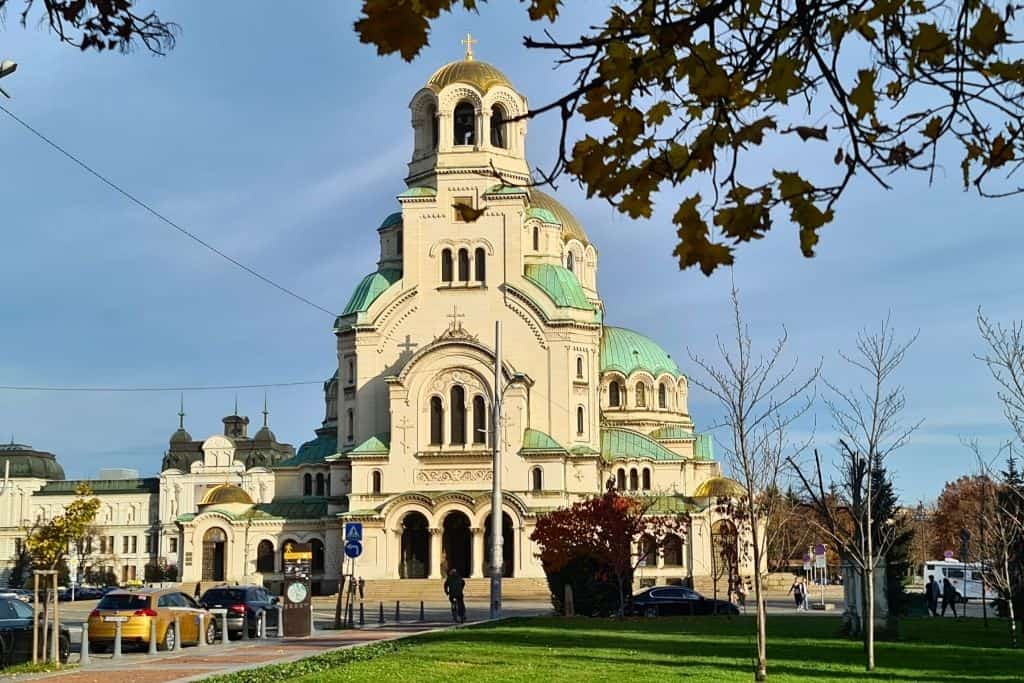
First up is the Alexander Nevsky Cathedral — Sofia’s most iconic landmark. The golden domes, the massive scale, the echo inside the church — it’s worth every second. Come early for soft light and quiet, or swing by at sunset when the facade glows.
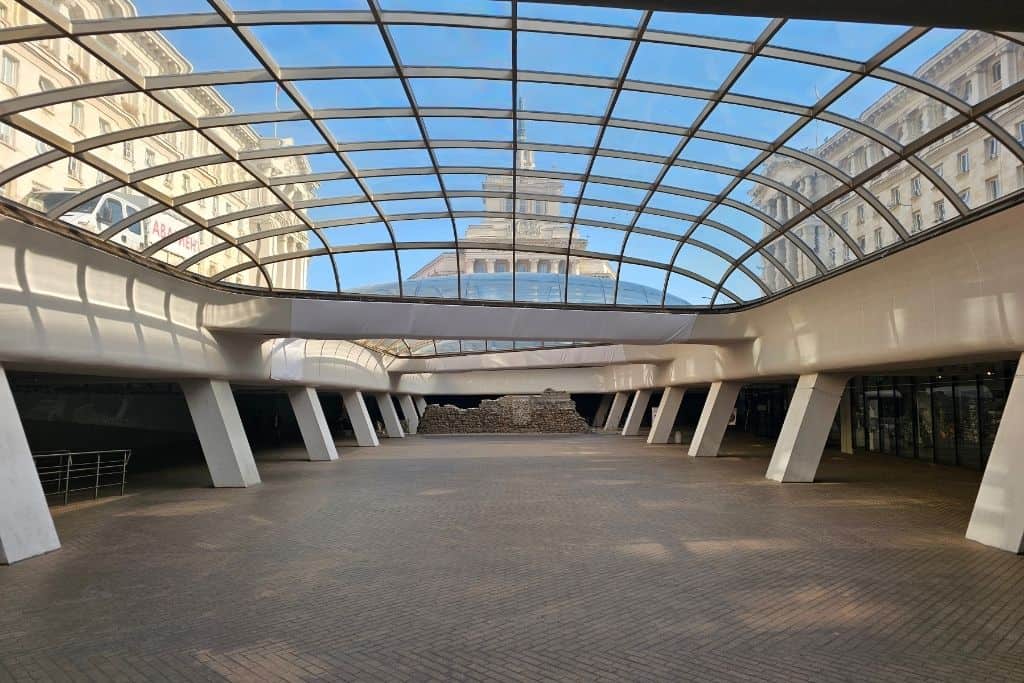
Just a few minutes away is the Largo complex, where modern glass walkways reveal 2,000-year-old Roman ruins beneath your feet. It’s surreal — you’re literally walking over ancient Serdica, once a thriving Roman city.
The St. George Rotunda, tucked between government buildings, is another Roman gem that locals still visit to light candles.
When you need a break from history, head to Vitosha Boulevard. It’s pedestrian-only, lined with cafés and street performers, and great for people-watching. Even if it’s touristy, I still love grabbing a cappuccino and just watching the city flow by.
For a nature fix, go to Borisova Garden, Sofia’s biggest park. Locals come here to run, picnic, play chess, or just unwind. It’s peaceful even on weekends, and the perfect spot if you need a break from sightseeing.
And don’t skip the NDK area (National Palace of Culture). It’s not just a cultural center; the plaza outside is where you’ll see Bulgaria’s grittier side: concrete architecture, political graffiti, and skateboarding teens mixed with opera-goers. It captures Sofia’s contradictions perfectly.
Want a deeper dive? See my full list of the best things to do in Sofia, including quirky museums, hidden courtyards, and photo spots you won’t find on a guided tour.
Or make it easy and book a guided tour to skip the guesswork.
What to Eat & Drink in Sofia
⚡ TL;DR: Must-try foods in Sofia
Try banitsa (cheese pastry), Shopska salad, tarator (cold cucumber soup), kebapche (grilled meat), and wash it all down with rakia (fruit brandy). Want to taste it all in one go? Join a traditional Bulgarian food tour.
If there’s one thing I always tell visitors, it’s this: come hungry. Bulgarian food is hearty, local, and deeply comforting. And in Sofia, it’s everywhere. Whether you’re into home-cooked flavors or modern twists on Balkan classics, the food scene is where Sofia really shines.
Let’s start with the basics. Banitsa is your breakfast best friend. It is a flaky pastry filled with salty white cheese. You’ll find it in every bakery, and we, locals, eat it with ayran, a cold yogurt drink. My tip? Get one warm from a street-side bakery in the morning. It’s the cheapest, most satisfying €1-2 you’ll spend here.
Next is Shopska salad, Bulgaria’s national salad: chopped tomatoes, cucumbers, roasted peppers, and heaps of grated sirene (white brined cheese). It sounds simple, but it’s addictive, especially with a drizzle of sunflower oil and a slice of crusty bread. Pair it with a chilled glass of rakia (our strong fruit brandy), and you’re doing it right.

In summer, don’t miss tarator, a cold cucumber and dill yogurt soup that’s weirdly refreshing in the heat. For mains, try kavarma (slow-cooked pork stew), sach (mixed grill on a sizzling stone plate), kyufte or kebapche, Bulgaria’s answer to skinless sausages, best served with fries and spicy lutenitsa.
You’ll find excellent modern Bulgarian restaurants popping up all over town. Places that take tradition and give it a lighter, more stylish spin. Want to taste your way through it all in one afternoon? Join a traditional Bulgarian food tour. It’s a great way to try local favorites, meet a guide, and skip the tourist traps.
Craving more local spots?
- What to Eat in Sofia
- Best Restaurants in Sofia for Every Budget
- Where to Try Banitsa, Shopska Salad & Rakia in Sofia
How Many Days in Sofia?
⚡ TL;DR: Stay at least 2 full days to see Sofia’s highlights.
You can hit the essentials in 1 day, but 2–3 days give you time for hidden gems and local food. Stay 5–7 days if you want to take day trips to Rila Monastery, Plovdiv, or Vitosha Mountain. Not sure how many days to stay?
People often ask me, “Is one day in Sofia enough?” And the honest answer is: technically yes, but you’ll regret it. You can power through the major landmarks in a day, Alexander Nevsky, Roman ruins, Vitosha Boulevard, but you won’t feel the city. And Sofia is one of those places that reveals its best side slowly.
Here’s what I recommend, based on how much time you’ve got:
- 1 Day: Focus on the historic center. Walk from Serdika through the Largo, visit the cathedral, have lunch off Vitosha, and end your day with sunset drinks at Sense rooftop bar. It’s doable, but rushed.
- 2 Days: This is the sweet spot. Day one for sightseeing, day two for local markets, parks, museums, and food. Maybe even a quick tram ride to Lozenets, or take the bus to the UNESCO-listed Boyana Church.
- 3 Days: Now we’re talking. You can take it slower, add a hike in Vitosha, or explore the galleries, coffee scene, and street art.
- 5–7 Days: Perfect for travelers who like to base themselves in one place and explore outward. Use Sofia as a hub and take day trips to Rila Monastery, Plovdiv, or Koprivshtitsa.
If you’re planning around time, weather, or budget, my post on how many days in Sofia is enough? breaks it down with sample itineraries and maps.
Day Trips from Sofia
⚡ TL;DR: Rila Monastery, Plovdiv, and Boyana Church are the top day trips.
You can visit them by bus, rental car, or tour. Don’t want to organize the logistics? Take a day trip from Sofia with everything arranged. For DIY travelers, see my guide to bus-friendly day trips from Sofia.
Sofia is a great base, not just for exploring the city, but for getting out of it, too. Within 1–2 hours, you’ve got monasteries in the mountains, colorful old towns, waterfalls, and even ancient Roman theaters. Here are the three I recommend most often:
1. Rila Monastery – This is the classic Sofia day trip. A UNESCO World Heritage Site nestled in the Rila Mountains, it’s Bulgaria’s spiritual heart. The striped arches, mountain backdrop, and centuries-old frescoes are unforgettable. Public transport here is a pain (one daily bus, no margin for error), so I strongly recommend you take a guided tour to Rila Monastery. The tour is 100x easier and includes a hidden extra, the small town of Melnik, famous for its winemaking and sandstone formations

2. Plovdiv – Bulgaria’s second-largest city is all cobblestones, Roman ruins, and art galleries. Just 1 hr 45 min from Sofia by bus, it’s totally doable in a day. Explore the Old Town, climb up to the Nebet Tepe ruins, and grab lunch in the Kapana creative district.
3. Boyana Church & Vitosha Mountain – If you want a half-day trip that stays close to Sofia, this is perfect. Boyana Church (UNESCO-listed) has 13th-century frescoes that feel more Italian Renaissance than medieval Bulgaria. Combine it with a short hike to Boyana Waterfall or explore Vitosha Mountain for panoramic city views. You can do this on your own using public buses, or book a private tour with hotel pickup.
Important Update on Vitosha Mountain Access: As of 2026, most ski lifts on Vitosha Mountain, including the Simeonovo Gondola Lift, are not operational due to ongoing disputes between private owners, the state, and environmental groups. This has left visitors relying on cars and limited public transport, leading to congestion. Alternative Access Options:
- Public Transport: Buses like Line 66 from the Sofia Zoo through Dragalevtsi to Hotel Moreni operate daily.
- Hiking: Numerous trails start from neighborhoods at the mountain’s base, such as Dragalevtsi to Aleko Hut and Cherni Vrah.
- Taxi: You can take a taxi to Aleko Hut, but ensure it’s a reputable service, as scams still exist.
Despite the lift issues, Vitosha remains a popular spot for hiking and nature walks. Just plan accordingly and consider alternative transport options.
4. There are plenty of other great options too: Koprivshtitsa (folklore and pastel houses), Pancharevo Lake (spa and hiking), or even Veliko Tarnovo if you’re up for a longer day.
Want to organize everything yourself? See my guide to bus-friendly day trips from Sofia. It’s based on real schedules, prices, and personal trial-and-error.
When to Visit Sofia
⚡ TL;DR: Spring and autumn are the best times to visit.
For good weather and fewer crowds, aim for May–June or September–October. July–August is hot and quiet, while winter is cold but festive, ideal if you want to visit Christmas markets or go skiing near Sofia. See what to expect each month in Sofia.
I always tell friends visiting Sofia for the first time: timing makes a big difference. The city has four distinct seasons, each with its pros and quirks. If you’re flexible with your travel dates, here’s how to choose the best time to visit based on your travel style.
Spring (April–June) is my personal favorite. Parks explode with cherry blossoms and lilacs, sidewalk cafés fill up, and temperatures hover around 18–25°C (64–77°F). It’s the sweet spot for walking tours, photography, and day trips without the summer heat or tourist buildup. Just bring a light jacket. April and even May can still be moody.
Summer (July–August) is hot, with daytime temps often above 30°C (86°F), but the city feels surprisingly calm. Many locals go on holiday, so Sofia empties out. Museums stay cool, evenings are lively, and you’ll have plenty of room at the open-air bars.
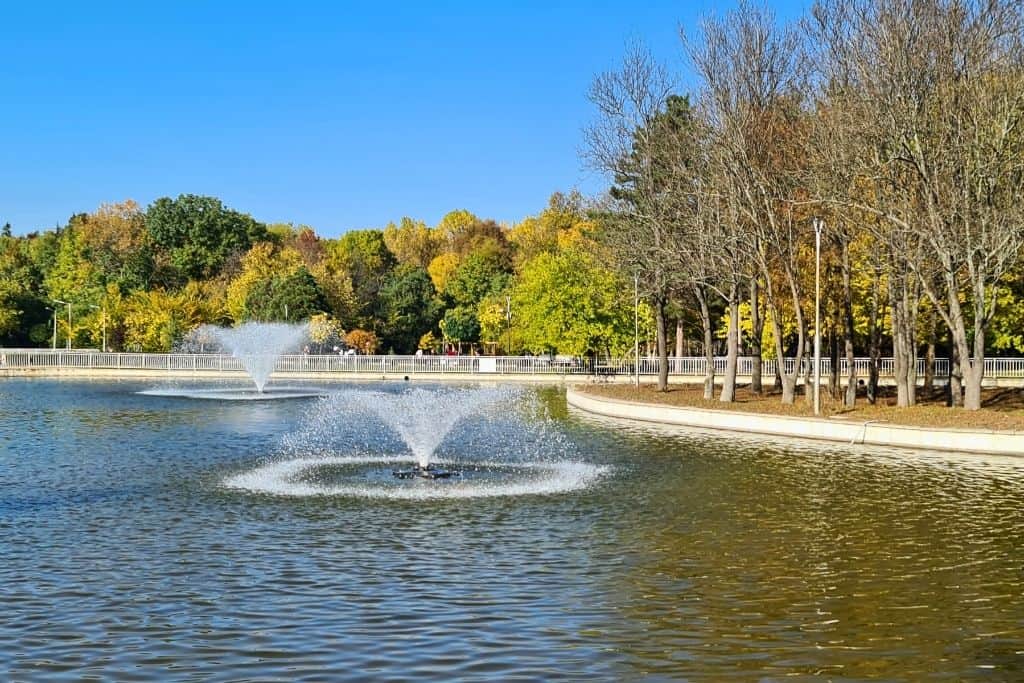
Autumn (September–October) is golden, literally. The leaves in Borisova Garden turn copper and yellow, and the weather stays warm through mid-October. This is one of the best times to visit Sofia for photographers, foodies (harvest season), and anyone who loves cozy cafes and fewer tourists.
Winter (November–March) brings snow, misty mornings, and a slower rhythm. December is festive: lights, markets, and mulled wine. January and February are the coldest months, but also when nearby ski resorts like Borovets and Vitosha are in season. Just pack properly: coats, layers, and shoes with grip for icy sidewalks.
Want a detailed breakdown by month? See what to expect each month in Sofia — weather, events, what to pack, and what’s open.
Sofia Travel Tips
⚡ TL;DR: Use cards, tip 10%, use official airport taxis, and don’t drink rakia like a shot.
Sofia is digital-friendly, but carry small cash for kiosks and transport. Tap water is safe. Locals round up when tipping. Get travel insurance and stay connected with a travel eSIM for smoother days on the go.
Living here has taught me a few things that guidebooks usually skip. Here’s what you’ll want to know before you land.
💳 Digital payments: Sofia is surprisingly cashless. You can pay with Visa or Mastercard at most restaurants, cafés, and museums. Even metro machines and street food stands take contactless. That said, always have €20-30 in cash for old-school kiosks or markets. ATMs are everywhere, but I prefer the ones located at bank offices.
💧 Water, pharmacies, and supermarkets: Yes, tap water is safe. We, locals, drink it daily. Pharmacies are everywhere, well-stocked and recognizable by green crosses. Supermarkets like Fantastico, Lidl, and Billa are common, even in the center, and many are open late.
🚖 Taxis and scams: Always use official taxi apps like Yellow Taxi 91119. At the airport, go to the official taxi stand and get a taxi. Don’t get into cabs waiting outside the airport or train station. They often charge 3–4x the normal rate. Airport taxis should cost ~€10-15 to the center. You can also book a transfer in advance if you want zero hassle.
📶 Stay connected: Public Wi-Fi is decent, but spotty in parks or on the go. I recommend you stay connected with an affordable travel eSIM.
💰 Tipping culture: Service isn’t always included. A 10% tip is appreciated at restaurants, cafés, and salons. In casual spots, locals often just round up the bill.
🥃 How to drink rakia: It’s strong, and it’s not meant to be shot. Sip it slowly, ideally with a Shopska salad. If someone pours you homemade rakia, accept, toast, but tread carefully. It can hit harder than you think.
🧳 Travel insurance & safety: Sofia is safe, but travel insurance is always a smart idea. I’ve helped travelers deal with flight delays, food allergies, and even twisted ankles. Get an insurance here before your trip; it’s worth it.
Sofia Essentials Map
⚡ TL;DR: Use this Google Map to find Sofia’s key sights, transit hubs, food spots, and photo locations.
I’ve pinned everything you’ll want to see, from Alexander Nevsky Cathedral to the best banitsa bakeries, plus metro stops, parks, and hidden gems. Use it offline or in real time while exploring.

To make your trip easier, I’ve created a custom Google Map of Sofia with all the essentials in one place. You’ll find:
🟡 Must-see landmarks
- Alexander Nevsky Cathedral
- St. George Rotunda
- Largo & Roman ruins
- Russian Church
- Boyana Church
🟢 Parks & viewpoints
- Borisova Garden
- Doctor’s Garden
- Crystal Garden
🔵 Food & drink
- Best places for banitsa and Shopska salad: HleBar – artisanal bakery with excellent fresh banitsa; Made in Home – fantastic Shopska salad with modern Bulgarian menu; Pod Lipite – classic restaurant for Shopska in a rustic setting
- Cozy cafés I actually go to: Chucky’s Coffee House – specialty coffee and minimalist interior; The Little Things – artsy courtyard café in a converted house; Drekka Specialty Coffee – modern design, great workspace, and pour-over options
- Craft beer and rakia bars: Kanaal – craft beer heaven with rotating taps and hip crowd; Vitamin B – small but curated local and European craft beer bar; Raketa Rakia Bar – Socialist kitsch theme, extensive rakia list, and Bulgarian comfort food
- Local markets: Zhenski Pazar, Central Market Hall
📸 Instagrammable Photo Spots
- Alexander Nevsky Cathedral – from the NE corner (Oborishte St.) for golden hour shots
- Largo Complex (Glass Dome) – shoot from inside or above for city-meets-ruins contrast
- Ivan Vazov National Theater + City Garden – timeless background, especially in autumn
- St. Nicholas Russian Church – small but photogenic, with a secret courtyard feel
- Behind the National Art Gallery – often missed, but beautiful in all seasons
🌇 Rooftop Bars with Views - Sense Hotel Rooftop Bar – unbeatable view of Alexander Nevsky Cathedral
- The Scene Rooftop Bar (Hyatt Regency) – upscale drinks + skyline views
- Rooftop 360° at Hotel Marinela – great for sunsets, views of Vitosha and beyond
You can save the map to your Google account and open it offline if you’re using an eSIM or local Wi-Fi. Just tap a pin, and you’ll get directions from wherever you are.
👉 Click here to open the Sofia Essentials Map
Final Tips & Related Posts
Sofia doesn’t always make the “must-visit” lists, but it should. This city is layered, walkable, affordable, and filled with small surprises that only reveal themselves when you slow down.
Whether you came for the Roman ruins or stayed for the banitsa and mountain views, I hope this Sofia travel guide helps you see the city like someone who lives here, not just passes through.
A few parting tips from me:
- Most museums are closed on Mondays — double-check before you go.
- Always have coins for public toilets (and tissues).
- Say “Zdrasti” (hi) instead of “hello”. It opens doors.
- Don’t take rakia like a shot. Just… don’t.
🔗 Want more Sofia inspiration? Start here:
- 1 Day in Sofia Itinerary
- Perfect Weekend in Sofia
- Sofia’s Ancient Roman Ruins
- What to Eat in Sofia
- Day Trips from Sofia by Bus
💬 Have questions? Email me anytime. I’m happy to help fellow travelers plan their stay or answer anything Sofia-related.
📌 Found this guide helpful?
Please Pin it, share it, or send it to a friend planning a trip.
Every time you book through one of my links, you support this blog, at no extra cost to you, and I truly appreciate it. ❤️
FAQ
Is Sofia worth visiting in 2026?
Absolutely. Sofia is safe, affordable, and packed with history, great food, and a creative urban vibe. It’s still under the radar for most tourists, which means fewer crowds and more authentic experiences.
What is the best month to visit Sofia?
May, June, September, and October offer the best combination of good weather, active events, and fewer tourists. Winter is great for snow lovers and Christmas markets, while summer is hot but relaxed.
How many days do you need in Sofia?
You can see the highlights in one day, but 2–3 days let you enjoy the city at a slower pace and explore hidden gems. Stay 5–7 days if you plan to do day trips to places like Rila Monastery or Plovdiv.
Is Sofia safe for solo travelers?
Yes, especially in the city center. I live here and often walk alone, even at night. Just avoid the Central Train Station area late at night — it’s not dangerous, but it can feel sketchy.
Can you drink the tap water in Sofia?
Yes, Sofia’s tap water is clean and safe to drink. I drink it every day. Bring a reusable bottle to fill up on the go.
Do I need cash in Sofia, or can I pay by card?
Cards are widely accepted in Sofia, even in smaller cafés and shops. But carry some cash for markets – around €20-30 is usually enough.
What food should I try in Sofia?
Start with banitsa (cheese pastry), Shopska salad, tarator (cold cucumber soup), grilled meats like kebapche, and homemade rakia. You can try them all on a traditional Bulgarian food tour.
What are the best day trips from Sofia?
Top picks include Rila Monastery, Plovdiv, and Boyana Church with a hike to Boyana Waterfall. You can visit on your own or take an organized day tour for convenience.


